Women and the Law: Leveling the Economic Playing Field
Event date
The Women and the Law: Leveling the Economic Playing Field symposium was held at CFR in New York on December 12, 2018. This symposium highlighted legal barriers to women’s economic participation and explored how nations can boost growth by leveling the economic playing field for women.
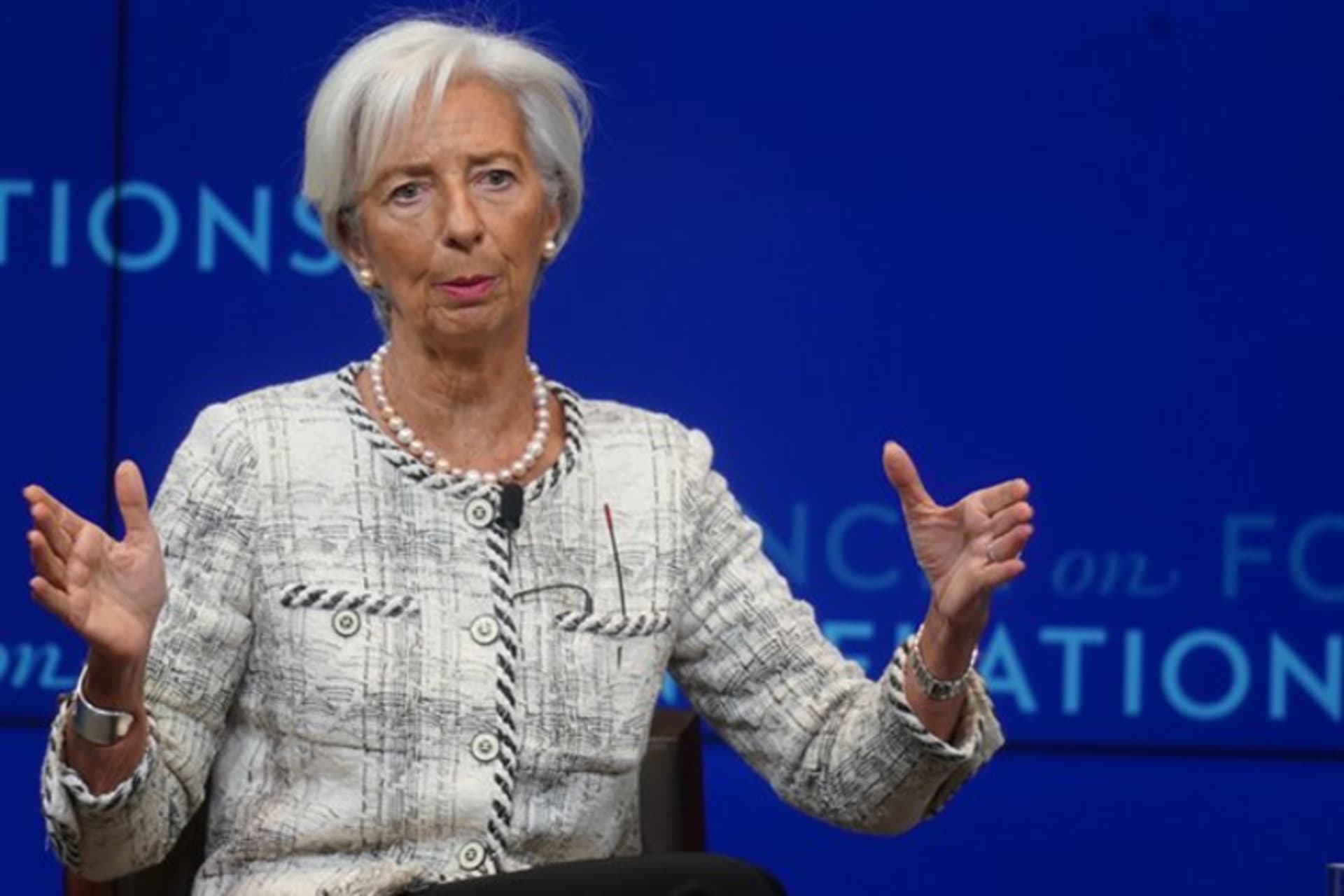
KEYNOTE SESSION: A Conversation with Christine Lagarde
Speaker
- Christine LagardeManaging Director, International Monetary Fund
Presider
- James ManyikaSenior Partner, McKinsey & Company, Inc.
Introductory Remarks
- Rachel B. VogelsteinDouglas Dillon Senior Fellow and Director of the Women and Foreign Policy Program, Council on Foreign Relations
Transcript
Despite the positive relationship between women’s labor force participation and GDP growth, legal barriers undermine female economic potential in every region of the world. Gender-based legal restrictions exist in almost 90% of nations, ranging from limitations on property ownership to prohibitions on signing contracts. Christine Lagarde discusses the economic implications of gender inequality under the law and outlines policy recommendations to accelerate women’s economic participation.
For more information, visit the Women’s Workplace Equality Index.
VOGELSTEIN: Good morning. Welcome to the Council on Foreign Relations. My name is Rachel Vogelstein. I lead the Women and Foreign Policy Program here at CFR, which analyzes how elevating the status of women and girls advances U.S. foreign-policy objectives.
On behalf of Richard Haass, the president of the Council, it is my great pleasure to commence our first CFR Symposium on Women and the Law. I want to begin by extending my gratitude to our esteemed speakers for joining us this morning. I also want to thank all of you for participating today, and welcome everyone tuning in to our live cast. And I’d like to extend a special appreciation to those of you who traveled here from...
SESSION II: The Changing Landscape of Digital Financial Inclusion
Speaker
- Kristalina GeorgievaChief Executive Officer, World Bank Group
Presider
- Shannon K. O'NeilVice President, Deputy Director of Studies, and Nelson and David Rockefeller Senior Fellow for Latin America Studies, Council on Foreign Relations
Transcript
Although financial inclusion of the world’s poorest is improving—in part due to the rise of mobile banking, identification cards, and other innovative approaches—the gender gap in access to and usage of financial services persists. Kristalina Georgieva, Chief Executive Officer of the World Bank, discusses legal and regulatory disparities in access to and usage of formal financial institutions and highlight how well designed digital tools can promote the financial inclusion of women.
For more information, visit the Women’s Workplace Equality Index.
O’NEIL: Good morning, everyone. If you could please take your seats. Great. Well, good morning, everyone. Welcome to the second session of today’s Council on Foreign Relations symposium titled “Women and the Law: Leveling the Economic Playing Field.” I’m Shannon O’Neil. I’m a vice president and deputy director of the Studies Department here at the Council on Foreign Relations.
Now, we’re very honored today to have Kristalina Georgieva. She is, as you can see from her bio which you have in all of your packets, she has an incredible impressive track record. She has been a global policymaker for many years, many positions at the World Bank, within the European Union. And today...
SESSION III: Workplace Discrimination
Speakers
- Iris BohnetRoy E. Larsen Professor of Public Policy and Director, Harvard Kennedy School
- Marcelo CabrolManager of the Social Sector, Inter-American Development Bank
- Damien Hooper-CampbellVice President and Chief Diversity Officer, eBay Inc.
Presider
- Joanne LipmanEditor-in-Chief, USA Today
Transcript
The global sweep of the #MeToo movement has highlighted the challenge that sexual harassment poses to women’s professional advancement. But other structural barriers in the workplace and enduring legal double standards also inhibit women from reaching their full economic potential. In 2018, fifty-nine countries still have no legal prohibition on harassment in the workplace, and more than one hundred still have laws that prevent women from working in certain jobs. This panel discusses how legal and policy reform in the workplace can promote women’s economic empowerment and broader growth.
LIPMAN: So welcome to the third session of today’s Council on Foreign Relations Symposium on “Women and the Law: Leveling the Economic Playing Field.”
I’m Joanne Lipman, I’m the author of That’s What She Said which is about closing the gender gap at work by bringing men into the conversation. I’m also the former editor-in-chief of USA Today, chief content officer of Gannett.
Joining us, we have Iris Bohnet, who is the Albert Pratt professor of business and government and the academic dean and codirector of the Women and Public Policy Program at Harvard Kennedy School. We have Marcelo Cabrol, who is the manager of the social sector for Inter-American...
SESSION IV: Women’s Social Status and Family Law
Speakers
- Andrew GilmourAssistant Secretary General, United Nations
- Yasmeen HassanGlobal Director, Equality Now
- Hina JilaniHuman Rights Activist in Pakistan, Human Rights Watch
Presider
- Rachel B. VogelsteinDouglas Dillon Senior Fellow and Director of the Women and Foreign Policy Program, Council on Foreign Relations
Transcript
In many nations, family law creates a constellation of intersecting barriers—including requirements for spousal consent to work, inequality in inheritance law, and guardianship clauses—that undermine women’s ability to participate in the global economy. The path from legal change to normative shift is rarely straightforward, and efforts to reform remaining inequalities can lead to backlash. This panel assesses progress in family law reform, and highlights recommendations to effect legal and social change to advance women’s economic participation.
VOGELSTEIN: Good afternoon. Good afternoon, everyone. Thank you for joining us for the fourth session of our Women and the Law Symposium. Once again, my name is Rachel Vogelstein and I lead the Women and Foreign Policy Program here at the Council.
Our final session today will explore the relationship between women’s economic participation and family law reform, which is perhaps the most intractable area of law governing the lives of women worldwide. In many nations, family law creates a web of intersecting legal barriers that inhibit women’s participation in the workplace from requirements for spousal consent to work to marriage and divorce regulations to inheritance restrictions, all of which can undermine women’s participation in the workplace and their contributions to the global...